
Kratom Injury & Wrongful Death Claims
Legal Support & Advocacy
Home » Practice Areas » Kratom & Substance » Kratom-Related Injury & Wrongful Death
When Dangerous Products Cause Harm
Get a free case review
Has kratom caused serious injury or death to you or a loved one? Contact us now for a free case review. Time is critical for preserving evidence and protecting your rights.
Kratom, marketed as a natural supplement, has been linked to serious injuries, organ damage, and deaths across the United States. Despite being sold as a safe herbal product, kratom can cause severe health complications including liver damage, seizures, respiratory depression, and fatal overdoses. If you or a loved one has suffered harm from kratom products, manufacturers and sellers may be held liable for failing to warn consumers about these serious risks.
Did you know? The FDA has identified at least 44 deaths associated with kratom use, and emergency room visits related to kratom have increased by over 50% in recent years, yet many products continue to be sold without adequate warnings.
Understanding Kratom-Related Injuries & Death Liability
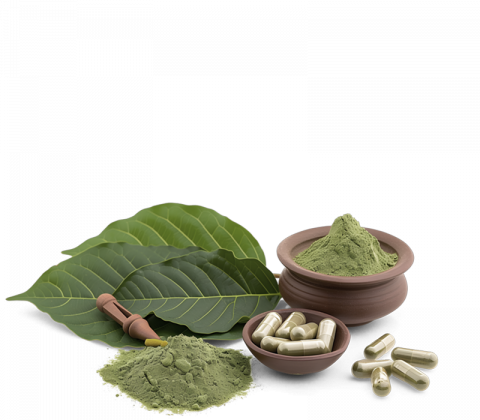
Kratom (Mitragyna speciosa), also known as 7-OH or 7-hydroxymitragynine, is a tropical tree native to Southeast Asia whose leaves contain compounds that can have stimulant and opioid-like effects. Despite being marketed as a natural, safe alternative to prescription medications, kratom and 7-OH products have been associated with serious adverse events including liver toxicity, seizures, addiction, and death.
Product liability claims arise when kratom manufacturers, distributors, or retailers fail to adequately warn consumers about known risks, make false safety claims, or sell contaminated or adulterated products. These companies have a duty to ensure their kratom and 7-OH products are safe for consumer use and to provide clear warnings about potential dangers.
The unregulated nature of the kratom and 7-OH industry has led to inconsistent product quality, contamination with harmful substances, and misleading marketing claims that downplay serious health risks while promoting unproven benefits.
Common Scenarios & Case Types
Liver Damage and Hepatotoxicity
Acute liver injury, hepatitis, or liver failure requiring emergency treatment or transplantation, often occurring within weeks of kratom use even in previously healthy individuals.
Seizures and Neurological Complications
Sudden onset seizures, particularly in users with no prior seizure history, leading to brain injury, falls, vehicle accidents, or other traumatic injuries during seizure episodes.
Respiratory Depression and Overdose
Breathing difficulties, respiratory failure, or fatal overdoses, especially when kratom is combined with other substances or used in high doses.
Contaminated Product Injuries
Harm from kratom or 7-OH products contaminated with salmonella, heavy metals, pesticides, or other dangerous substances due to poor manufacturing and quality control practices.
Addiction and Withdrawal Complications
Severe dependence requiring medical treatment, withdrawal symptoms leading to hospitalization, or injuries occurring during attempts to quit kratom use.
Drug Interaction Injuries
Serious complications when kratom or 7-OH interacts with prescription medications, particularly affecting individuals taking antidepressants, blood thinners, or other medications whose effects these substances can amplify or inhibit.
Types of Injuries & Damages
Kratom-related injuries often involve multiple organ systems, with liver damage being particularly common and potentially requiring emergency medical intervention or liver transplantation. Neurological injuries from seizures can result in traumatic brain injuries, broken bones from falls, and long-term cognitive impairment.
Respiratory complications can lead to brain damage from oxygen deprivation, require mechanical ventilation, or result in death. Contaminated products may cause severe gastrointestinal illness, infections, or poisoning from toxic substances.
The economic impact includes emergency medical treatment costs, hospitalization expenses, ongoing medical monitoring for liver function, addiction treatment programs, lost wages during illness and recovery, and in wrongful death cases, funeral expenses and loss of financial support.
Proving Your Case
Kratom and 7-OH injury cases require establishing a connection between product use and the resulting harm, which involves detailed medical records, toxicology testing, and expert analysis of the product consumed. Product testing may reveal contamination, inconsistent potency, or undisclosed ingredients.
Expert testimony from toxicologists, hepatologists, and other medical specialists helps establish causation and explain how kratom or 7-OH caused the specific injuries. Analysis of product labeling, marketing materials, and safety warnings helps prove that manufacturers failed to adequately warn consumers.
Documentation of the victim’s health status before kratom or 7-OH use is crucial for demonstrating that injuries were caused by the product rather than pre-existing conditions. Purchase records and product samples help identify specific manufacturers and products involved.
Manufacturer Responsibilities
Kratom and 7-OH manufacturers have a duty to test their products for contamination, ensure consistent quality and potency, and conduct adequate safety research before marketing their products to consumers. They must provide clear, accurate warnings about known risks and contraindications.
Retailers and distributors are responsible for ensuring they sell products from reputable manufacturers and must not make false or misleading health claims about kratom or 7-OH safety or benefits. They should also provide appropriate warnings and refuse to sell to minors.
Companies involved in the kratom and 7-OH supply chain must maintain proper manufacturing standards, conduct quality control testing, and have systems in place to track products and issue recalls when safety issues are identified.
Your Legal Rights & Options
Kratom and 7-OH injury cases are typically filed under product liability law, including claims for defective design, manufacturing defects, and failure to warn about known risks. Most states provide two to three years from the date of injury or discovery of the connection between kratom and the harm to file a lawsuit.
Compensation in kratom and 7-OH cases may include medical expenses for treating acute injuries and ongoing complications, costs of liver monitoring and potential transplantation, lost wages and reduced earning capacity, pain and suffering, and in wrongful death cases, funeral expenses and loss of financial support.
Some cases may qualify for punitive damages if manufacturers knowingly concealed risks or engaged in particularly reckless conduct in marketing dangerous products without adequate warnings.
Frequently Asked Questions
Can I file a lawsuit if I used kratom or 7-OH voluntarily and knew there might be risks?
Yes, voluntary use doesn’t bar a lawsuit if manufacturers failed to adequately warn about specific risks or made false safety claims. The key issue is whether you were properly informed about the serious health dangers kratom and 7-OH can pose.What if I bought kratom or 7-OH from a local store rather than directly from a manufacturer?
You may have claims against multiple parties including the manufacturer, distributor, and retailer. Each party in the supply chain has responsibilities for product safety and adequate warnings about risks.How do you prove that kratom or 7-OH caused my liver damage or other health problems?
Medical experts analyze your health history, the timing of kratom or 7-OH use and symptom onset, toxicology testing, and medical literature to establish causation. Liver biopsies and specialized testing can help confirm kratom-induced injury.What if I was also taking prescription medications when the injury occurred?
Drug interactions with kratom or 7-OH can actually strengthen your case if manufacturers failed to warn about these risks. Medical experts can determine whether the interaction was foreseeable and should have been disclosed.Can family members file a lawsuit if kratom or 7-OH caused a loved one’s death?
Yes, wrongful death claims can be filed when kratom or 7-OH use contributes to or causes death. Family members may be entitled to compensation for medical expenses, funeral costs, lost financial support, and loss of companionship.What if the kratom or 7-OH product I used has been recalled or banned?
Recalls or regulatory actions can actually help support your case by demonstrating that authorities recognized the product’s dangers. However, you may still have a valid claim even if the specific product hasn’t been recalled.Why Choose Our Firm for Your Kratom Injury Case
Our attorneys have extensive experience in product liability cases involving dietary supplements and unregulated substances. We understand the complex medical and scientific issues involved in kratom and 7-OH injury cases and work with leading experts in toxicology, hepatology, and product safety.
We stay current on developing research about kratom and 7-OH health risks and have the resources to investigate manufacturers’ knowledge of dangers and their failure to provide adequate warnings. Our track record includes successful cases against supplement companies that put profits over consumer safety.
Most importantly, we understand that many kratom and 7-OH users were seeking help for legitimate health conditions and trusted that these products were safe based on manufacturers’ marketing claims. We fight to hold these companies accountable for the harm their products have caused.
Need Help?
Take Action Today.
If you or a loved one has suffered serious injury or death related to kratom or 7-OH use, time is critical for preserving evidence and protecting your legal rights. Contact us immediately for a free consultation to discuss your case and learn about your options.

Why Donlon Brand?
Specialized
Expertise
Thorough
Research
Proven
Results
Compassion
& Care
- Specialized Expertise
- Thorough Research
- Proven Results
- Compassionate Representation
Nick Brand
Partner
Melissa Donlon
Partner